
Bruin Pest Management

North Brisbane pest control

What happens during a termite inspection?

If you have never booked one before, it helps to know what a termite inspection actually involves before the technician arrives. This is a timber pest inspection, not a structural building inspection, and its whole purpose is to find termites and the conditions that invite them. Here is what happens on the day, from the first walk through the house to the written report you are left with.

4.9from 256 Google reviews
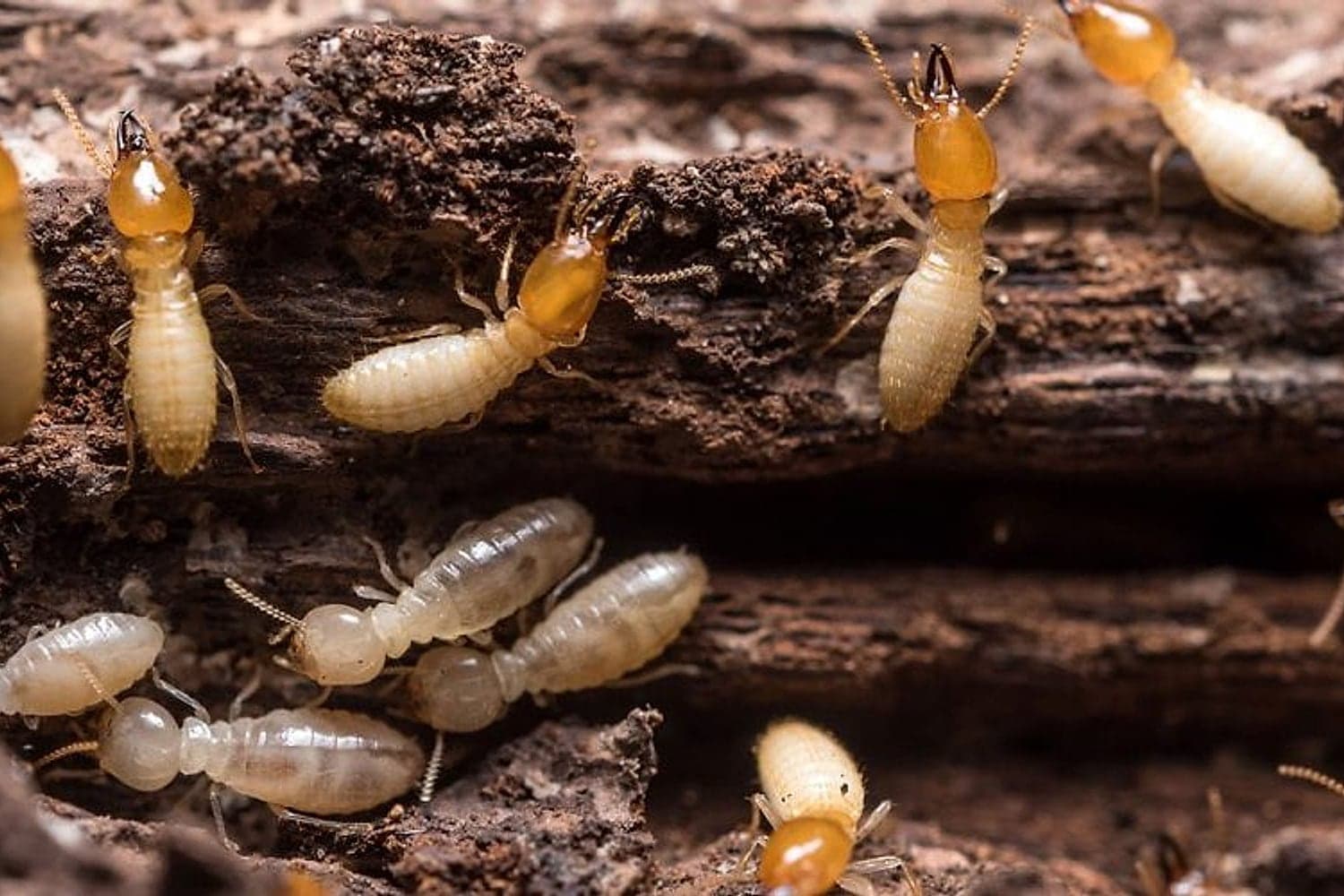
Live subterranean termites tunnelling through damaged timber in a Brisbane home

QBCC licensed 15483371

Family owned and operated

01

Room by room through the interior

The inspection usually starts inside. The technician works through the home room by room, paying close attention to the places termites tend to travel and feed: skirting boards, door and window frames, architraves, built-in cupboards, wet areas around bathrooms and the kitchen, and any timber that sits close to the ground or against damp walls.

They are not just looking. Termites work quietly behind surfaces that appear perfectly sound, so the technician taps and sounds timber to listen for the hollow note that damage leaves behind, and checks for the fine blistering or rippling in paint and plaster that often gives active termites away. In Brisbane's older Queenslanders and brick homes alike, the interior is where the first signs of a problem usually turn up.

02

The subfloor and exterior

From there the inspection moves to the parts of the house you rarely see. The technician inspects the subfloor of homes built on stumps or piers, where subterranean termites often make their entry from the soil below, checking piers, stumps, bearers and joists for mud leads and damaged timber.

Outside, they walk the full perimeter of the building and move through the garden. Fences, retaining walls, tree stumps, garden beds, timber decking and stored timber are all checked, because termite activity around the boundary is an early warning for the house itself. Access matters here. The more the technician can reach, the more complete the inspection, so clearing stored boxes from the subfloor and trimming back plants against the walls before the visit genuinely helps.

03

The tools and what the technician is looking for

A thorough inspection is more than a visual check. The technician carries a moisture meter to find damp timber and wall cavities, since moisture is one of the strongest signals of where termites may be or may soon appear. They sound timber by tapping to detect hollowing, and where timber is clearly at risk they may use a borescope, a small camera that looks inside a wall cavity or void without opening it up.

What they are hunting for is a short list: live termites, the mud leads and tubes termites build to travel across exposed surfaces, timber that has been damaged from the inside, and the conducive conditions that raise the risk of attack. Those conditions include excess moisture and poor drainage, timber in direct contact with the ground, garden beds and mulch banked against the house, and poor subfloor ventilation. Naming these matters as much as finding termites, because fixing them is how you keep a home protected.

04

How long it takes and the report you receive

The inspection is carried out in line with Australian Standard AS 3660 for termite management, and for most Brisbane homes an inspection at least once a year is recommended, more often on higher-risk properties. How long the visit takes depends on the size of the property and how easy the subfloor and perimeter are to access. A compact home with clear access is quicker than a large property with a tight subfloor and heavy landscaping.

Afterwards you receive a written report. It sets out what was found and where, the areas that could and could not be accessed, any conducive conditions that need attention, and clear recommendations for what to do next. Because access and property size vary so much, termite inspections are quoted to the individual property rather than sold at a flat rate. That way the quote reflects the actual work involved in inspecting your home properly.

05

What happens if termites are found

If the technician finds live termites, the single most important thing is simple: do not disturb them. It is tempting to spray them or break open the damaged timber, but that scatters the colony, drives them deeper into the structure and makes the problem harder to treat. Leaving them undisturbed keeps them in one place so the treatment can target the colony properly.

From there the technician talks you through the options. Depending on what is found, that may mean a targeted treatment to the active area, a chemical or physical barrier around the home, or an ongoing termite management plan to bring the property under lasting protection. The inspection is the first step; termite control is the follow-through that deals with what the inspection uncovers. Either way you leave with a clear picture of the situation and a practical path forward, not a scare and a hard sell.

Common questions

Pest and termite questions, answered

How long does a termite inspection take?

It depends on the size of the property and how easy the subfloor and perimeter are to reach. A smaller home with clear access is quicker, while a larger property with a tight subfloor and heavy landscaping takes longer. Because of this, termite inspections are quoted to the individual property rather than at a flat rate, so the quote matches the work involved in inspecting your home properly.

What does the technician need access to?

The technician needs to reach the interior rooms, the subfloor where the home is on stumps or piers, and the full exterior perimeter and garden. Clearing stored boxes from the subfloor and trimming plants growing against the walls before the visit helps a great deal. The more areas that can be safely accessed, the more complete the inspection and the report you receive.

How often should I have a termite inspection?

For most Brisbane homes an inspection at least once a year is recommended, in line with Australian Standard AS 3660 for termite management. Higher-risk properties, such as those with previous activity or timber in contact with soil, may need checking more often. Brisbane's warm, humid climate keeps subterranean termites active, so regular inspections are the most reliable way to catch a problem early.

What should I do if termites are found?

Do not disturb them. Avoid spraying the termites or breaking open damaged timber, because that scatters the colony and makes treatment harder. Leave them where they are and let the technician talk you through the options, which may include a targeted treatment, a barrier around the home, or an ongoing termite management plan. Undisturbed termites stay in one place so the treatment can target the colony effectively.

Nearby

We also treat homes nearby

Related services

Need a hand with pests in North Brisbane?

Book online, call the family-owned team rated 4.9 from 256 reviews, or book online and send us the details.

Call NowBook Online