
Bruin Pest Management

North Brisbane pest control

Signs you may have termites in your home

Termites do most of their damage out of sight, working quietly inside timber long before anything shows on the surface. By the time the signs are obvious, they have usually been active for a while. Knowing what to look for, and where, gives you the best chance of catching them early. Here are the real warning signs in a Brisbane home and what to do if you spot one.

4.9from 256 Google reviews
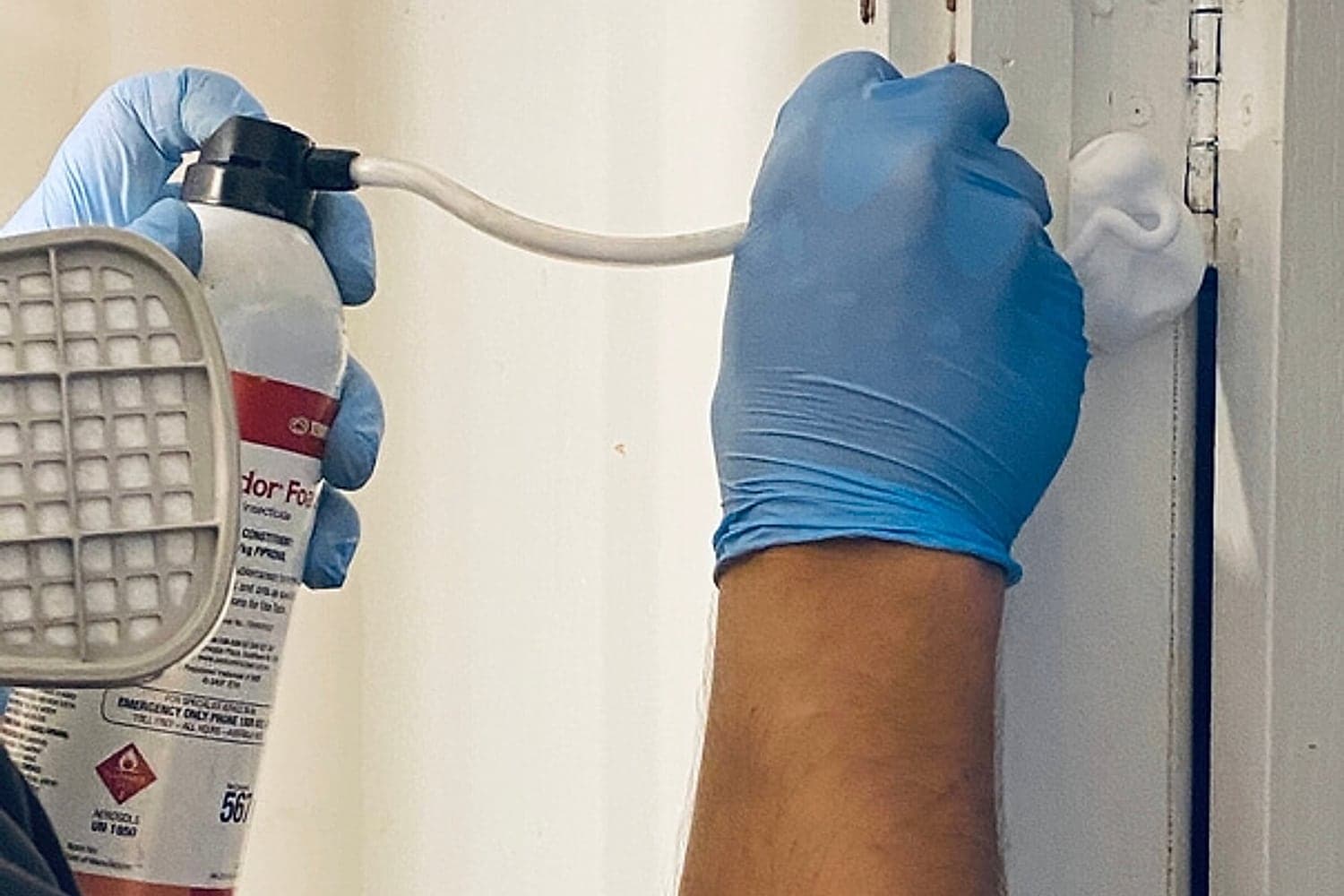
Bruin technician applying foam termite treatment into a wall cavity

QBCC licensed 15483371

Family owned and operated

01

The signs that actually matter

The most reliable early sign is mud tubing. Subterranean termites build pencil-width mud tubes, also called leads, up walls, foundations, piers and subfloor timbers to travel between the soil and their food while staying protected. Thin trails of dried mud where you would not expect them are a strong signal.

Other signs to watch for: timber that sounds hollow or papery when tapped, or crumbles under light pressure; paint or plaster that bubbles, ripples or dimples as termites eat the timber behind it; and doors or windows that suddenly stick, because damaged frames swell and shift. After a warm, humid evening you may find discarded wings near windowsills or light fittings, shed by swarming termites looking to start a new colony. Some species also leave fine, gritty frass that looks like sawdust or coffee grounds.

02

Why termites thrive in Brisbane

Brisbane sits in a high-risk zone for subterranean termites. Warm temperatures, humidity and reliable moisture through the year let colonies stay active almost continuously, rather than slowing down over a cold winter as they might further south.

The conditions around a typical home add to the risk: garden beds against the house, leaking taps or air-conditioning runoff, poor subfloor drainage and stored timber all create the moisture and food termites look for. That is why local homes need regular inspections rather than a one-off check.

03

Where to look, room by room

Start low and work through the house methodically. Inside, run your eye and a light along skirting boards, architraves and door frames, tapping timber and watching for rippled paint. Check wet areas such as bathrooms, the kitchen and the laundry, where moisture draws termites in.

Move to the structure. In the subfloor, look at piers, stumps and bearers for mud tubing bridging from the ground. From ground level, check any exposed timber near the eaves. Outdoors, inspect the perimeter of the slab, weep holes, fences, retaining walls, decking, pergolas and garden timber, along with any stored firewood or old stumps. Termites often reach the house through timber that touches the soil.

04

Do not disturb active termites

If you find live termites or fresh mud tubing, leave it alone. It is tempting to break open a tube, spray the area or poke at the timber, but disturbing an active colony makes the situation worse. Termites react to disturbance by retreating and relocating within the structure, which can spread the activity to other parts of the home and make it harder to treat.

Do not apply a household surface spray either. Repellent products can scatter the colony rather than eliminate it. The right approach is to keep the area undisturbed and arrange a professional inspection so the extent of the activity can be assessed and a proper management plan put in place.

05

When to book an inspection to AS 3660

Book a timber pest inspection as soon as you notice any of the signs above, and book one regardless if it has been more than a year since your last check. The Australian Standard AS 3660 recommends a competent inspection at least every twelve months, and more often for higher-risk properties near bushland or with a known termite history.

An AS 3660 inspection covers the interior, subfloor and the grounds, and reports on activity, damage, conducive conditions and the level of risk. Because termite damage starts hidden inside the timber, the inspection is the only dependable way to know what is happening before it becomes structural. Our termite inspection page explains what a full inspection includes, and our termite control page covers treatment and ongoing protection.

Common questions

Pest and termite questions, answered

What does termite mud tubing look like?

Mud tubes are thin trails of dried soil and saliva, usually around pencil width, that termites build to travel under cover. You will see them running up brick foundations, piers, walls or subfloor timbers, often bridging from the ground to the structure. Finding a tube where there is no reason for mud is one of the clearest signs of subterranean termites.

I found termites. Should I spray them?

No. Spraying or breaking open the area disturbs the colony and can cause it to spread to other parts of the home, making treatment harder. Leave the timber and any mud tubing untouched, avoid household surface sprays, and arrange a professional inspection so the activity can be assessed and treated properly.

How often should a Brisbane home be inspected for termites?

At least once every twelve months, in line with AS 3660. Given Brisbane's warm, humid climate and high termite pressure, homes near bushland, near creek lines, or with a past history of termites may need inspecting every six months. Regular inspections catch activity early, before hidden damage becomes structural.

Nearby

We also treat homes nearby

Related services

Need a hand with pests in North Brisbane?

Book online, call the family-owned team rated 4.9 from 256 reviews, or book online and send us the details.

Call NowBook Online