
Bruin Pest Management

North Brisbane pest control

A pest control checklist for Brisbane restaurants and cafes

For a cafe or restaurant, pests are not just a nuisance, they are a risk to your health rating, your reputation and your licence to trade. Brisbane's warm, humid climate keeps cockroaches, rodents, flies and ants active for much of the year, and a busy kitchen gives them food, water and shelter. This checklist covers where pests get in, the steps that keep them out, and how a routine program keeps you audit ready.

4.9from 256 Google reviews
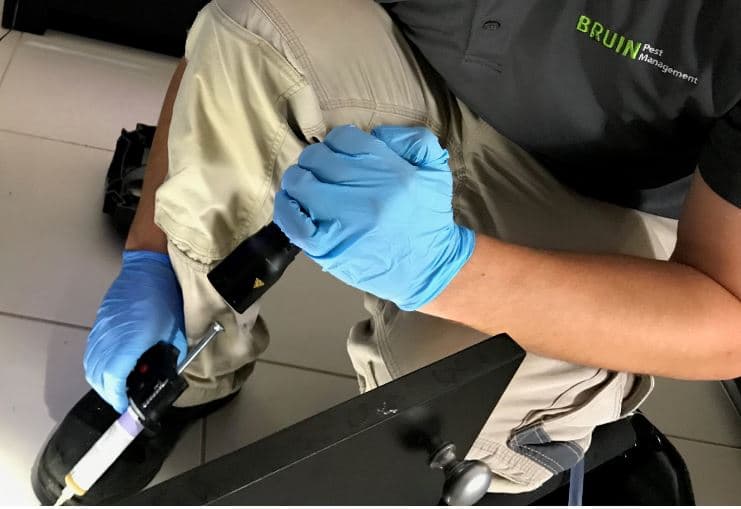
Bruin technician applying a targeted pest treatment at a Brisbane property

QBCC licensed 15483371

Family owned and operated

01

Why pest control matters for a food business

A single pest sighting in a dining room can undo years of goodwill. Customers photograph and post, and reviews follow. Beyond reputation, food businesses carry a clear obligation to keep premises free of pests under food safety requirements, and council health officers and auditors both look for evidence that pests are being managed.

The practical stakes are high. Cockroaches and rodents contaminate surfaces and stock, flies spread bacteria across prep areas, and an auditor who finds droppings, gnaw marks or live pests can mark down your rating or force a closure. Good pest control protects your customers, your staff and your ability to keep the doors open.

02

The common pests and where they get in

Four pests cause most of the trouble in Brisbane hospitality kitchens. Cockroaches, both German and Australian, thrive in warm humid voids behind and under equipment, in cracks, and around drains. Rodents follow food and warmth, entering through gaps under doors, around pipe and cable penetrations, and delivery areas left open. Flies breed in bins, spills and unclean drains, then move freely across food and surfaces. Ants trail in from outside toward sugar or grease.

Entry points are usually mundane. Gaps under back doors, unscreened windows and vents, cracks around pipework, damaged seals, and roller doors left up during deliveries all give pests a way in. Knowing where they enter is the first step to keeping them out.

03

The daily and weekly checklist

Most pest pressure is controlled by housekeeping, not chemicals. Work through these routinely.

Seal entry points: fit door sweeps, screen windows and vents, and fill gaps around pipes, cables and skirting. Manage bins and waste: use lidded bins, empty them often, keep the external bin area clean and away from the back door, and never let rubbish sit overnight indoors. Fix leaks and moisture: repair dripping taps and leaking pipes promptly, because standing water sustains cockroaches and rodents.

Clean under and behind equipment: pull out fridges, ovens, cool rooms and shelving on a schedule to clear the grease and crumbs that collect in the warm voids pests love. Store food sealed and off the floor: keep dry goods in sealed containers on shelving, not opened bags on the ground. Inspect deliveries: check incoming boxes and produce for pests before they come inside, and break down cardboard quickly since it harbours cockroach egg cases. Keep drains clear: degrease floor drains regularly, as they are a prime fly and cockroach breeding site.

04

The value of a routine pest management program

Housekeeping keeps pressure down, but a food business needs a professional program on top of it. A routine program means scheduled visits at a set interval, monitoring stations checked and logged, targeted treatment where needed, and a written service report after every visit. That documentation turns good intentions into evidence.

When an auditor or health officer asks how you manage pests, a folder of dated service reports, a site plan of monitoring points, and a record of activity and action taken answers the question immediately. A reactive, call when you see one approach leaves gaps in the record and gaps in protection.

05

Discreet service, quoted to your site

A good commercial technician works around your business, not against it. Visits can be scheduled before opening, after close, or during quiet periods so there is no disruption to service and no pest activity visible to diners. Treatments used in food areas are chosen with food safety in mind, and the technician documents what was done and where.

Unlike a standard home treatment, commercial pest control is quoted to the site rather than sold as a fixed package. The interval and scope depend on your kitchen size, the pests present, your layout and any auditor or council requirements, so a walkthrough comes first. Our commercial pest control team can assess your premises across Brisbane's north side and set a program that fits how you trade.

Common questions

Pest and termite questions, answered

How often should a Brisbane restaurant have pest control?

It depends on the site rather than a fixed calendar. Many cafes and restaurants are serviced monthly or quarterly because food premises carry higher risk and a compliance obligation. Kitchen size, the pests present, your layout and any auditor requirements set the interval, which is why commercial work starts with a walkthrough and is quoted to the site.

What do auditors and council officers look for?

They look for evidence that pests are actively managed, not just the absence of pests on the day. That means a documented program: dated service reports, a site plan showing monitoring points, and records of any activity found and the action taken. Live pests, droppings, gnaw marks or unmanaged entry points during an inspection can lower your rating.

What can we do ourselves between professional visits?

A great deal. Seal gaps under doors and around pipes, keep bins lidded and emptied, fix leaks quickly, clean under and behind equipment, store food sealed and off the floor, inspect deliveries, and keep floor drains degreased. Housekeeping removes the food, water and shelter pests need, and carries most of the load between scheduled treatments.

Will pest control disrupt our trading hours?

It should not. Commercial visits are usually scheduled before opening, after close or during quiet periods, so there is no disruption to service and nothing visible to customers. Treatments in food areas are selected with food safety in mind, and the technician leaves a written report for your records after each visit.

Nearby

We also treat homes nearby

Related services

Need a hand with pests in North Brisbane?

Book online, call the family-owned team rated 4.9 from 256 reviews, or book online and send us the details.

Call NowBook Online